
Understanding Your Air Conditioner’s Dehumidifier Symbol
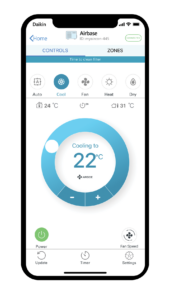
If you’ve ever looked at your air conditioning remote or control panel and wondered what that small water droplet symbol means, you’re not alone. This symbol typically indicates your air conditioner’s “dry mode” or dehumidifier function. A function that most contemporary split system air conditioning and ducted air conditioning units include from brands like Daikin, Panasonic, Advantage Air and Samsung.
The dehumidifier symbol, often displayed as a water droplet or labelled “DRY” or “DEHUMIDIFY”, represents one of your air conditioning system’s most energy-efficient functions, which many homeowners don’t fully utilise. Understanding how to use this feature properly can help you maintain comfortable indoor conditions whilst reducing energy consumption during WA’s humid months.
How Does Dry Mode Work in Air Conditioners?
When you activate dry mode, your air conditioning system operates differently than in standard cooling mode. The unit draws in humid indoor air and removes moisture whilst using less energy than full cooling mode. The compressor runs at a slower pace, making it more cost-effective whilst effectively reducing humidity levels.
This process is particularly effective during those sticky Perth and Bunbury evenings when humidity levels are high, but temperatures aren’t extreme enough to warrant full cooling mode. For a comprehensive explanation of how dry mode works, when to use it, and important safety considerations, read our detailed guide: What is Dry Mode for Air Conditioning?
Dry Mode vs Dedicated Dehumidifiers: What’s the Difference?
Whilst your air conditioner’s dry mode is useful, it’s important to understand how it compares to standalone dehumidifiers. Each option serves different purposes and offers distinct advantages depending on your specific needs.
Air Conditioner Dry Mode Benefits:
- Lower energy consumption than the cooling mode
- Integrated into your existing HVAC system
- Provides mild cooling whilst removing moisture
- Ideal for mild to moderate humidity levels
- No additional equipment required
Dedicated Dehumidifier Advantages:
- Higher moisture removal capacity (15-30 litres per day vs 1-2 litres)
- Precise humidity control settings
- Effective in various temperature conditions
- Better for persistent humidity issues
- Can target specific areas or rooms
When to Use the Dehumidifier Symbol on Your Air Conditioner
The dehumidifier symbol (dry mode) is most effective when humidity levels are high but temperatures aren’t extreme. It’s best to use it when there’s a lot of moisture in the air and the temperature isn’t too hot or cold, particularly before storms, when you can feel the humidity in the air.
Ideal Conditions for Using the Dehumidifier Symbol:
- Warm, humid days when full cooling isn’t necessary
- Early morning or evening hours with high moisture levels
- When you notice condensation on windows or surfaces
- In bedrooms for more comfortable sleeping conditions
Important Usage Guidelines: You should only use dry mode when the air is humid, and avoid running it for more than an hour or two as it can cause the humidity level in your home or office to drop too low, which can cause dry eyes, a sore throat and breathing issues.
Making the Right Choice for Your Home
Understanding your air conditioner’s dehumidifier symbol and dry mode function empowers you to make informed decisions about indoor comfort and energy usage. This knowledge is particularly valuable for Perth and Bunbury residents dealing with variable humidity levels throughout the year.
For mild to moderate humidity issues, your air conditioning system’s dry mode provides an energy-efficient solution. However, persistent moisture problems may require additional equipment or professional assessment to identify underlying causes.
Ready to optimise your home’s comfort and efficiency?
Contact Airforce Airconditioning for expert advice on air conditioning systems, maintenance services, or smart home solutions. Our team serves Perth and Bunbury with professional installation, servicing, and support for all major brands, including Daikin, Panasonic, and Samsung systems.


